Why Restaurant Websites Get Traffic But Don’t Get Customers

Restaurant SEO • 03/03/2026

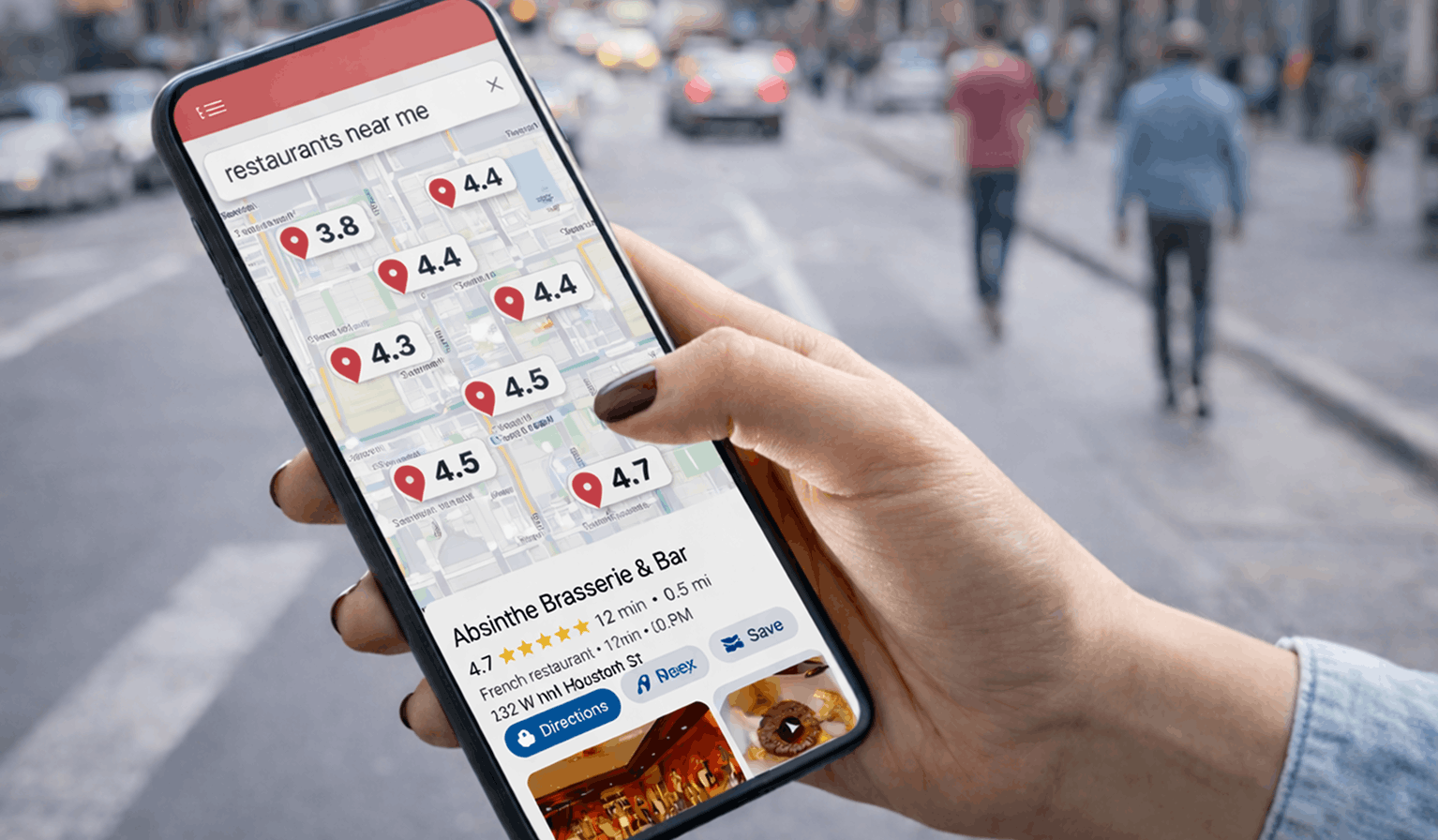
Person using smartphone to search for nearby restaurants on a map, illustrating how diners discover local restaurants through Google search and mobile devices.

30-Second Takeaways

Restaurant websites succeed when key information and next steps are clear, helping diners take action, like booking a reservation or placing an order.

  • Getting the right visitors matters more than getting more traffic.
  • Clear, visible calls to action (CTAs) directly drive reservations, online orders, and catering inquiries.
  • Diners decide fast—if key information isn’t obvious within seconds, they leave.
  • Trust signals like reviews, photos, and updated menus influence decisions instantly.
  • Fast mobile performance is critical. Slow websites lose customers.

Restaurant websites often get traffic but fail to convert because diners can’t quickly find what they need or take the next step.

Today, 88% of diners search online before choosing where to eat. But many restaurant websites act like digital brochures instead of conversion tools.

When guests land on your site, they’re not browsing—they’re deciding.

If your menu, hours, reservations, or ordering options aren’t immediately clear, they leave, and book somewhere else.

In 2026, restaurant website design isn’t about aesthetics. It’s about speed, clarity, and making the next step effortless.

Because even small confusion can cost you tonight’s covers.

If your website isn’t converting the traffic you’re already getting, you’re likely leaving revenue on the table.

Why Do Restaurant Websites Get Traffic but Not Customers?

Restaurant websites get traffic but fail to convert because they don’t clearly guide diners to take action.

Most websites lose customers when:

  • Key information is hard to find
  • Calls to action are unclear or missing
  • The site loads slowly on mobile
  • Menus, hours, or photos are outdated
  • The next step (reserve, order, inquire) isn’t obvious

Diners don’t spend time figuring things out. They choose the restaurant that makes the decision easiest.

What Information Do Diners Expect on a Restaurant Website?

Diners visit restaurant websites to quickly find specific information that helps them decide where to eat.

Most diners look for:

  • Menu
  • Reservations or online ordering
  • Hours of operation
  • Location and directions
  • Private dining or catering information
  • Photos of food and atmosphere

High-performing restaurant websites answer these questions immediately, without requiring scrolling or searching.

If someone searches “private dining near me” and can’t find that page instantly, they don’t dig deeper. They leave.

This is why aligning your website with your Google Business Profile optimization strategy is critical, so diners can move seamlessly from search to decision.

Are Your Calls to Action Clear Within 5 Seconds?

Clear calls to action (CTAs) are one of the most important factors in restaurant website conversions.

If diners can’t immediately see how to:

  • Make a reservation
  • Order online
  • Submit a catering request

—they leave.

High-converting restaurant websites use:

  • One primary CTA per page
  • Buttons placed above the fold
  • High-contrast, easy-to-click designs
  • Repeated CTAs throughout the page

The goal is simple: make the next step obvious and effortless.

Does Your Website Build Trust Fast Enough?

Restaurant websites convert better when they quickly build trust through visuals, reviews, and accurate information.

Diners trust websites that include:

  • Recent, high-quality food photography
  • Visible Google reviews and ratings
  • Up-to-date menus and hours
  • Clear contact and location information

Outdated content or missing information creates hesitation.

And hesitation leads to lost customers.

Is Your Restaurant Website Fast and Mobile-Friendly?

Mobile speed is critical because most diners search on their phones shortly before deciding where to eat.

If your website:

  • Loads slowly
  • Feels cluttered
  • Requires zooming
  • Hides important information

Diners leave immediately.

A high-performing mobile website should:

  • Load in under 3 seconds
  • Display menus and CTAs clearly
  • Be easy to navigate with one hand
  • Prioritize key information at the top

What Actually Drives Restaurant Website Conversions?

Restaurant website conversions happen when diners get clear answers, trust your business, and can take action instantly.

Websites convert more visitors when they:

  • Clearly display menu, hours, and location
  • Show strong reviews and photos
  • Load quickly on mobile devices
  • Use simple, intuitive navigation
  • Make the next step obvious (reserve, order, inquire)

When these elements work together, traffic turns into paying customers.

When they don’t, you lose business without even realizing it.

How to Turn Restaurant Website Traffic Into Customers?

To turn website visitors into customers, restaurants must focus on clarity, speed, and ease of action.

Follow these steps:

  1. Make your menu, hours, and location immediately visible
  2. Add a clear primary CTA on every page
  3. Improve mobile speed and usability
  4. Showcase reviews and high-quality photos
  5. Keep all information updated and accurate

Even small improvements can significantly increase reservations, orders, and inquiries.

How Your Website Impacts Restaurant SEO and Local Search?

Your website plays a critical role in restaurant SEO because it helps Google determine your visibility in local search results.

When your website is:

  • Fast
  • Mobile-friendly
  • Clearly structured
  • Aligned with your Google Business Profile

—it becomes easier for Google to rank your restaurant.

Better rankings mean:

  • More visibility
  • More clicks
  • More customers

Your website isn’t just a marketing tool. It’s a core part of your local search strategy.

How Can You Turn More Website Visitors Into Guests?

If your website isn’t converting the traffic you’re already getting, you’re likely leaving revenue on the table.

SpotHopper combines:

  • High-performing restaurant website design
  • Built-in restaurant SEO
  • Google Business Profile integration
  • Automated review management
  • AI-powered marketing tools

Designed to help restaurants get:

  • More reservations
  • More catering inquiries
  • More online orders
  • Better visibility in local search

If you’re curious what higher conversion could look like, we’d be happy to show you. Book a quick SpotHopper demo and see how it works behind the scenes.

Frequently Asked Questions

Why is my restaurant website getting traffic but not customers?

Restaurant websites get traffic but don’t convert when diners can’t quickly find key information or take action. If menus, hours, reservations, or ordering options are unclear or buried, visitors leave and choose another restaurant. High-converting websites prioritize speed, clarity, and visible calls to action to guide diners toward booking or ordering.

What should a restaurant website include to increase conversions?

A restaurant website should include a clear menu, hours, location, photos, and visible calls to action. Diners expect to quickly find essential details and take the next step, such as making a reservation or ordering online. Websites that present this information clearly and prominently convert more visitors into paying customers.

How do calls to action improve restaurant website performance?

Calls to action improve restaurant website performance by guiding diners to take the next step. Clear buttons for reservations, online ordering, or catering requests reduce friction and increase conversions. High-performing sites use one primary CTA per page, place it prominently, and make it easy to tap on mobile devices.

Why is mobile optimization important for restaurant websites?

Mobile optimization is critical because most diners search for restaurants on their phones shortly before deciding where to eat. If a website loads slowly, is difficult to navigate, or hides key information, users leave quickly. Fast, mobile-friendly websites keep diners engaged and significantly increase reservations and online orders.

What makes a restaurant website convert visitors into customers?

Restaurant websites convert visitors into customers when they provide clear information, build trust, and make action easy. Key elements include visible menus, strong reviews, high-quality photos, fast load times, and simple navigation. When diners can quickly find what they need and act without friction, they are more likely to choose your restaurant.

Couple searching for restaurants near them on a smartphone, comparing ratings and reviews to choose where to eat, illustrating how diners decide using Google and online reviews.
Restaurant Marketing • 03/10/2026

Restaurant Marketing in 2026

Restaurant marketing in 2026 is the process of helping diners find your restaurant online, choose it over competitors, and return through digital channels like Google, your website, and online reviews. Today, most dining decisions start on a mobile phone. Before a guest walks through your doors, they’ve already searched “restaurants near me,” compared options, read reviews, and looked at photos.

Read Story
Restaurant owner reviewing bills and paperwork with a stressed expression in a busy kitchen office, highlighting challenges of restaurant operations and marketing management
Restaurant Marketing • 02/24/2026

Why Restaurant Marketing Works Better as a System, Not a Set of Tools

Restaurant marketing feels complicated because most restaurants rely on disconnected tools that don’t work together.

Read Story
Restaurant owner standing in an empty dining room, looking concerned about low customer turnout during off-peak hours
Restaurant AI Marketing • 02/17/2026

AI in Restaurant Marketing: How to Fill More Tables Without More Work

AI in restaurant marketing helps restaurants fill more tables by improving online visibility, automating guest marketing, and converting website traffic into reservations.

Read Story

Ready to take your restaurant marketing to the next level?

Book a Free Demo